
Perth is home to a stunning array of trees, and if you’re reading this, chances are you’re standing in your yard, staring up at one, and wondering, “How do I keep you looking great and staying healthy?” You’re not alone! Tree care is both a science and an art—balancing aesthetics, safety, and the tree’s overall well-being.
Two common techniques for managing tree growth are pruning and lopping—but they’re far from the same thing. While both involve cutting branches, their methods and long-term effects differ significantly. Understanding these differences can mean the difference between a thriving tree and one that’s left vulnerable to disease and decay.
Jayson from Green Surgery, a seasoned Perth arborist, recalls the advice he received when starting out:
“As a young arborist, I was told to never lop a tree. Lopping essentially means choosing a new height for the tree and cutting all limbs down to that level—often removing more than 50% of its structure. It weakens the tree, invites disease, and causes it to send out weak epicormic growths.”
This is why most professionals recommend pruning over lopping—it’s the healthier, more sustainable choice.
Tree Pruning: A Health-First Approach
Think of tree pruning like a professional haircut rather than a DIY chop job. It’s all about precision and care—removing dead or unhealthy branches to promote growth, improve structure, and reduce potential hazards.
Jayson explains that when done correctly, pruning follows arboriculture standards that focus on improving tree structure, shape, and airflow. This keeps the tree strong and ensures maintenance remains easy in the long run.
Common Pruning Techniques
- Crown Lifting – Removing lower branches to improve visibility and clearance.
- Crown Thinning – Lightening the canopy to enhance airflow and reduce wind resistance.
- Crown Reduction – Trimming back the tree’s size while preserving its natural shape.
- Deadwood Removal – Getting rid of weak, dying, or diseased branches to prevent accidents and disease spread.
A qualified arborist ensures every cut is strategic, reducing stress on the tree and promoting healthy regrowth.
Tree Lopping: A Risky Quick Fix
Tree lopping is a more drastic approach—cutting back large sections of a tree to change its size or shape. Unlike pruning, it prioritizes immediate results over long-term health. While it may seem like a convenient solution for overgrown trees, it often leads to weak, poorly attached regrowth, making the tree more prone to breakage, disease, and decay.
Jayson recalls working in cyclone-prone areas where lopping was sometimes used as a preventative measure to stop branches from falling during storms:
“In extreme weather conditions, we sometimes had no choice but to lop trees to reduce risk. However, with proper pruning techniques—like focusing on wind dynamics and weight reduction—we can now maintain the whole tree while still preventing branches from becoming hazards.”
This highlights an important point—lopping should only be considered when no better option exists.
Pruning vs. Lopping: Key Differences
|
Feature |
Tree Pruning |
Tree Lopping |
|---|---|---|
|
Purpose |
Encourages healthy growth and structure |
Reduces size quickly, often for convenience |
|
Impact on Tree |
Strengthens tree, prevents disease |
Weakens tree, increases risk of decay |
|
Aesthetic Appeal |
Maintains natural beauty |
Can lead to uneven, unsightly regrowth |
|
Long-Term Effects |
Promotes longevity and stability |
Can result in frequent regrowth and maintenance |
Why Pruning is the Better Choice
If your goal is a healthy, attractive, and structurally sound tree, pruning is the way to go. Here’s why:
✅ Enhances Aesthetics
Proper pruning maintains the tree’s natural shape, allowing it to grow symmetrically and look its best in your landscape.
✅ Improves Safety
Regular pruning removes weak, diseased, or overhanging branches, reducing the risk of property damage or injury during storms.
✅ Promotes Healthy Growth
By cutting away dead or excess branches, pruning directs the tree’s energy to stronger, healthier growth areas.
✅ Prevents Future Problems
Well-maintained trees are less likely to develop structural issues, diseases, or require emergency removals.
When to Call a Professional Arborist
While minor trimming can be a DIY job, major pruning or lopping should be left to the experts. A qualified arborist understands the best pruning techniques and can assess whether lopping is truly necessary.
Jayson notes that lopping can be managed responsibly in rare cases, like when reducing a tree to its main leaders and then pollarding future growth to maintain a structured maintenance program. However, this requires expert knowledge to ensure the tree remains healthy.
Consider professional help if:
- You’re unsure whether to prune or lop.
- The tree is near power lines or structures.
- The tree has visible disease, decay, or large dead branches.
- You want to ensure compliance with Perth’s tree management regulations.
By working with an arborist, you can make informed decisions that keep your trees healthy and your property safe.
Final Thoughts: Choose Wisely for Long-Term Tree Health
When it comes to tree care, pruning is a proactive, health-focused approach, while lopping is a last-resort solution. If tree size or shape is a concern, pruning is almost always the better choice—it keeps your tree strong, prevents future issues, and enhances your landscape’s beauty.
Jayson’s experience underscores this:
“Pruning is about working with the tree’s natural structure, keeping it healthy and reducing risks. Lopping, on the other hand, forces unnatural growth, and in most cases, the tree struggles to recover properly.”
Need expert advice? Consulting a professional arborist can save you time, money, and unnecessary stress—ensuring your trees stay vibrant for years to come. 🌿
FAQs
❓ How often should trees be pruned?
Most trees benefit from pruning once or twice a year, depending on species, growth rate, and health. Regular maintenance prevents issues down the line.
❓ Can tree lopping kill a tree?
Yes! Lopping can severely stress a tree, leading to decay, disease, and structural weakness. It’s best to avoid lopping unless absolutely necessary.
❓ What happens if a tree is over-pruned?
Over-pruning can lead to poor regrowth, weakened branches, and increased vulnerability to pests and disease. Always follow best practices or consult a professional.
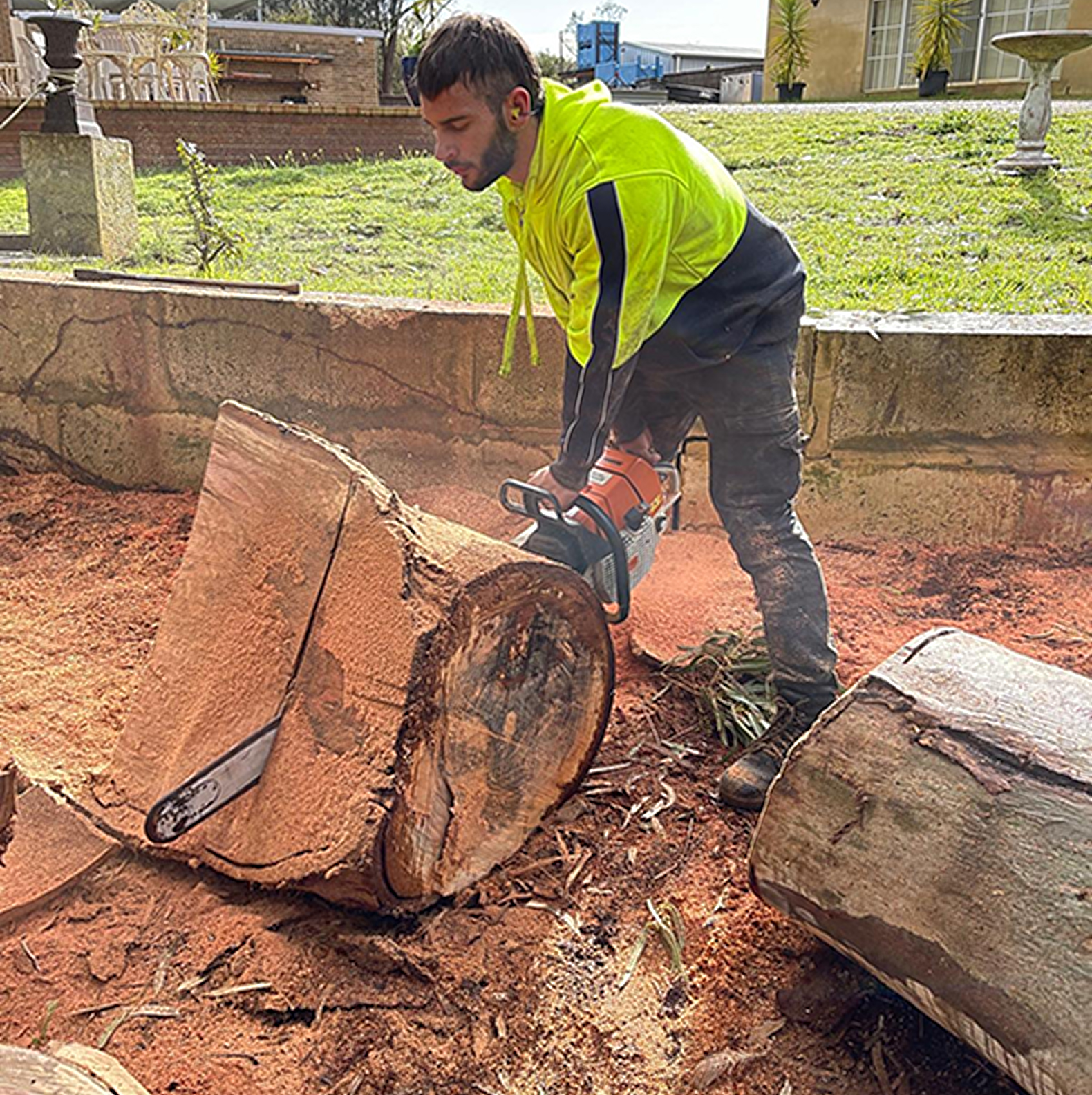
Jayson Wilmot is a qualified Perth arborist with more than 10 years of experience in tree pruning, tree removal, and tree care. As the owner of the Green Surgery and team leader, Jayson focuses on helping homeowners and businesses keep their properties safe, healthy, and compliant with local council requirements.
His hands-on experience covers everything from tree preservation and transplanting to managing firebreaks and storm-damage clean-ups. Jayson’s approach is simple — every job should protect both people and the environment.
Outside of work, he enjoys exploring Western Australia’s bushland and sharing practical tips on how to maintain thriving, well-balanced trees across Perth’s suburbs.
