
Maintaining a well-trimmed hedge can transform your garden, giving it structure, privacy, and a polished appearance. In Perth’s hot summers and mild winters, knowing the right hedge trimming techniques ensures your hedging plants stay healthy and vibrant year-round.
This guide covers the best methods for trimming different types of hedges, from formal hedges to overgrown hedges, while considering Perth’s climate conditions.
1. Choosing the Right Tools for the Job
Selecting high-quality tools makes the hedge trimming process smoother and more efficient:
- Manual hedge shears: Best for small hedges and precise shaping.
- Powered hedge trimmer: Ideal for larger hedges and frequent maintenance.
- Electric hedge trimmer / Battery hedge trimmer: Quieter, lightweight, and suitable for urban gardens.
- Loppers and pruning saws: Essential for cutting larger branches and overgrown sections.
- Garden string & metal stakes: Useful for achieving straight lines when shaping geometric hedges.
For dense or woody hedges like boxwood hedge or conifer hedge, a high-quality, durable hedge trimmer will make trimming easier.
2. Best Time to Trim Hedges in Perth
Timing plays a crucial role in hedge maintenance. The ideal time for trimming depends on the type of hedge:
- Evergreen hedges (e.g., Lilly Pilly, Murraya, Westringia): Best trimmed in late winter or early spring to encourage fresh growth.
- Deciduous hedges (e.g., Beech hedges): A once-a-year trim in late autumn helps maintain shape before dormancy.
- Fast-growing hedges: Require regular trims throughout the year to prevent them from becoming neglected hedges.
- Tall hedge species (e.g., Viburnum, Photinia): Trim in spring and summer to control height.
⚠️ Important: Be mindful of nesting season (typically late winter to spring). Avoid heavy pruning if birds are present.
3. Hedge Trimming Techniques for Different Hedge Types
A. Formal Hedges (Structured & Defined Shapes)
Formal garden hedges require regular trimming to maintain their clean look:
- Use garden string as a guide for straight, geometric shapes.
- Trim slightly narrower at the top to allow maximum sunlight to reach the lower branches.
- Keep the hedge parallel to maintain uniformity.
✅ Best plants: Boxwood hedge, Low-growing box hedges, Murraya
B. Informal & Native Hedges (Natural Look)
For native and broad-leaved hedges, a softer approach works best:
- Focus on gentle trims, removing only stray branches and dead growth.
- Avoid trimming over-enthusiastically, as some native species recover slowly.
- Prune internal branches to improve air circulation.
✅ Best plants: Callistemon (Bottlebrush), Grevillea, Westringia, Native hedges
C. Overgrown & Neglected Hedges
If a hedge has become too large or dense:
- Start with a deeper trim on one side, then trim the other side after a few weeks to reduce stress.
- Remove dead branches and thin out the interior to encourage new growth.
- Avoid cutting back too much at once, as this can lead to poor growth.
4. Common Hedge Trimming Mistakes & How to Avoid Them
🚫 Flat tops on tall hedges: Always trim in a slight pyramid shape for maximum sunlight exposure.
🚫 Over-pruning: Removing too much foliage at once weakens the hedge. Follow the rule of thumb—never remove more than 1/3 of the plant.
🚫 Dull blades: Using blunt tools can cause ragged cuts, leading to disease and slow regrowth. Clean tools regularly and sharpen blades for smooth hedge finishes.
🚫 Ignoring hedge side shoots: Trim hedge side shoots to keep the shape tidy and prevent boundary hedges from becoming invasive.
5. Keeping Hedges Healthy in Perth’s Climate
Perth’s climate presents some challenges, but these tips will keep your hedges in top shape:
🌱 Mulch at ground level: Helps retain moisture and reduce evaporation.
💧 Deep watering in drought conditions: Prevents stress on mature hedges and large-leaved evergreen hedges.
🌿 Fertilising: Apply a slow-release fertiliser in spring to support leaf growth and root development.
🛑 Watch for fungal diseases: Poor air circulation can lead to issues like mildew—thin out dense hedges if necessary.
Final Thoughts
With the right approach, your Perth garden can have perfect hedges that enhance the beauty of your entire garden. Whether shaping a boxwood hedge, maintaining a tall hedge, or tackling neglected hedges, regular care and the right hedge trimmer will ensure great results.
🌿 Ready to transform your garden? Start trimming today! ✂️
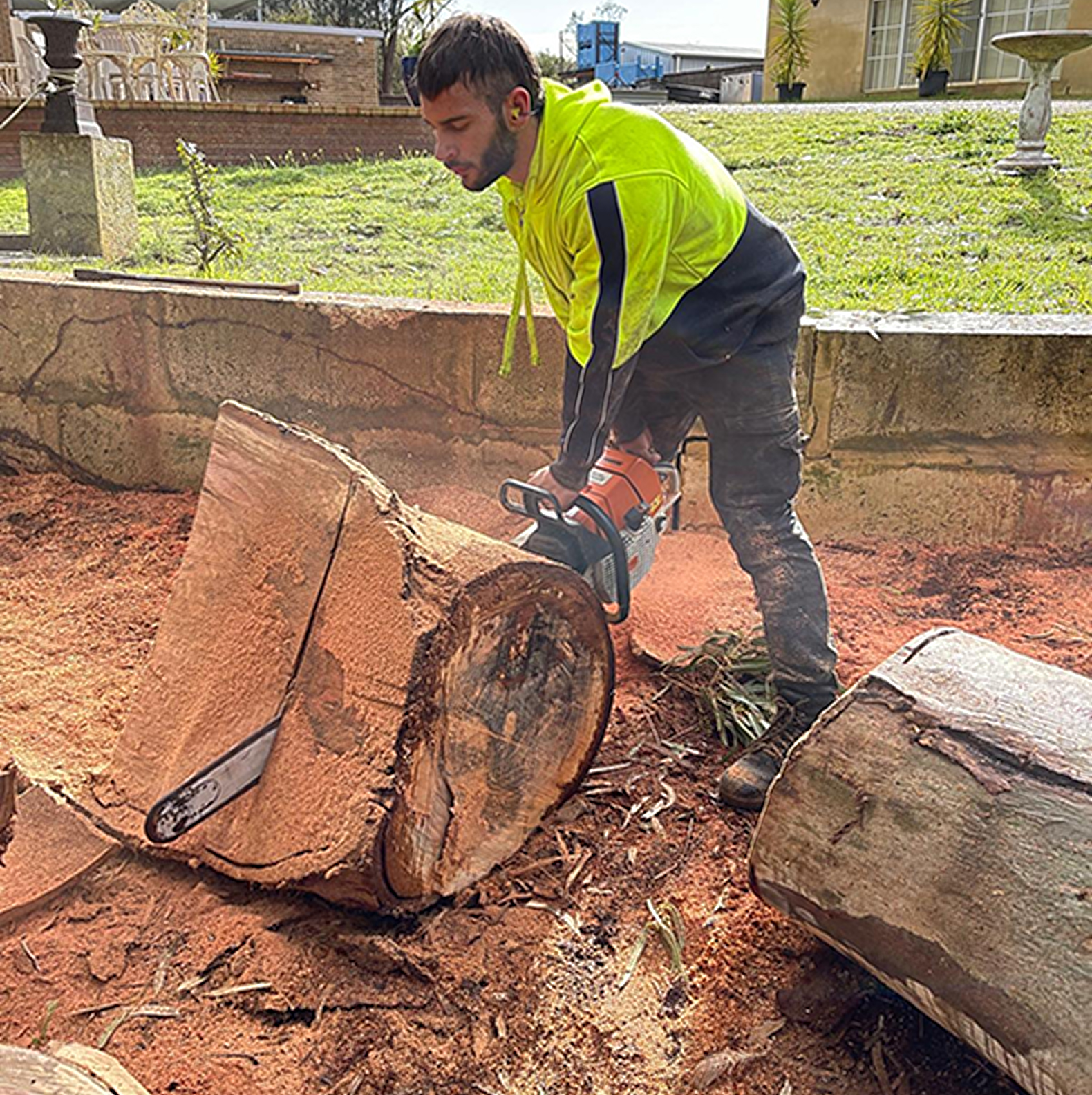
Jayson Wilmot is a qualified Perth arborist with more than 10 years of experience in tree pruning, tree removal, and tree care. As the owner of the Green Surgery and team leader, Jayson focuses on helping homeowners and businesses keep their properties safe, healthy, and compliant with local council requirements.
His hands-on experience covers everything from tree preservation and transplanting to managing firebreaks and storm-damage clean-ups. Jayson’s approach is simple — every job should protect both people and the environment.
Outside of work, he enjoys exploring Western Australia’s bushland and sharing practical tips on how to maintain thriving, well-balanced trees across Perth’s suburbs.
