
Western Australia boasts a diverse range of native and non-native trees, from towering eucalyptus species to ornamental flowering trees. Proper pruning helps maintain tree health, safety, and aesthetics. Here’s a detailed pruning guide tailored for some of WA’s most common trees.
🌳 Pruning Guide Cheat Sheet by Tree Type
📌 Eucalyptus Species (Jarrah, Marri, Tuart, Blackbutt, Lemon-scented Gum)
🗓 Best Time: Late summer to early autumn
✂ How: Remove deadwood, thin canopy, avoid excessive cuts
⚠ Caution: Over-pruning can lead to weak epicormic growth
📌 Flowering & Ornamental Trees (Red Flowering Gum, Jacaranda, Flame Tree, WA Peppermint)
🗓 Best Time: After flowering (late summer to autumn)
✂ How: Light shaping, remove suckers, keep a strong structure
⚠ Caution: Hard pruning can reduce flowering next season
📌 Pine & Coniferous Trees (Norfolk Island Pine, Rottnest Island Pine)
🗓 Best Time: Winter (dormant season)
✂ How: Remove dead branches, minimal shaping
⚠ Caution: Never remove the central leader—it ruins structure
📌 Fruit & Olive Trees (Olive Tree, Fig Tree, Citrus Trees)
🗓 Best Time: Late winter before new growth
✂ How: Thin out canopy, remove crossing branches, encourage airflow
⚠ Caution: Avoid over-pruning—it can reduce fruit yield
1. Jarrah (Eucalyptus marginata)
🟢 Description: One of WA’s most iconic trees, Jarrah is a tall, durable eucalyptus species known for its deep red timber and ability to thrive in poor soils.
✂ Pruning Guide:
- When: Light pruning in late summer or early autumn (after flowering).
- How: Remove dead, weak, or crossing branches to maintain structure. Avoid heavy pruning as it can cause stress.
- Caution: Over-pruning can lead to excessive epicormic growth (weak shoots).
2. Marri (Corymbia calophylla)
🟢 Description: A large native tree producing distinctive white flowers and “honky nuts” (large gum nuts).
✂ Pruning Guide:
- When: Late summer or early autumn to allow wounds to heal before winter rains.
- How: Remove dead wood and weak lateral branches. Thinning the canopy improves airflow and reduces limb drop risks.
- Caution: Avoid cutting too close to the trunk—always leave the branch collar intact.
3. Red Flowering Gum (Corymbia ficifolia)
🟢 Description: A stunning ornamental tree with vibrant red, orange, or pink flowers in summer.
✂ Pruning Guide:
- When: Immediately after flowering (late summer to early autumn).
- How: Shape young trees by removing lower limbs and weak branches. Mature trees only need deadwood removal.
- Caution: Avoid excessive pruning, as this species can be sensitive to stress.
4. WA Blackbutt (Eucalyptus todtiana)
🟢 Description: A fast-growing native eucalyptus that provides excellent shade and habitat for wildlife.
✂ Pruning Guide:
- When: Best pruned in late summer to avoid excessive sap loss.
- How: Thin out crowded limbs to improve structure. Remove low-hanging branches that could become hazards.
- Caution: Heavy cuts can encourage epicormic growth—prune conservatively.
5. Rottnest Island Pine (Callitris preissii)
🟢 Description: A tough, drought-resistant pine tree found along coastal regions.
✂ Pruning Guide:
- When: Winter (dormant period) to encourage healthy new growth in spring.
- How: Remove dead or diseased limbs, and lightly shape for aesthetics.
- Caution: Never cut the central leader—this can ruin the natural form and weaken the tree.
6. WA Peppermint (Agonis flexuosa)
🟢 Description: A graceful, weeping tree commonly used in streetscapes and gardens, known for its fragrant leaves.
✂ Pruning Guide:
- When: Late autumn or winter to allow strong spring growth.
- How: Light pruning to shape the canopy and remove dead wood. Can handle hard pruning if needed.
- Caution: Prune gradually rather than all at once to avoid shock.
7. Tuart (Eucalyptus gomphocephala)
🟢 Description: A massive coastal eucalyptus tree known for its resilience and strong timber.
✂ Pruning Guide:
- When: Best pruned in late summer or early autumn.
- How: Remove dead limbs and reduce weight on heavy branches to prevent limb drop.
- Caution: Avoid excessive cuts—this species relies on a strong canopy for balance.
8. Lemon-scented Gum (Corymbia citriodora)
🟢 Description: A tall, striking tree with smooth white bark and aromatic leaves.
✂ Pruning Guide:
- When: Late summer after the flowering cycle.
- How: Focus on removing deadwood and shaping the canopy for better wind resistance.
- Caution: Avoid heavy pruning, as it can lead to weak regrowth.
9. Jacaranda (Jacaranda mimosifolia)
🟢 Description: A non-native but much-loved ornamental tree with vibrant purple flowers in spring.
✂ Pruning Guide:
- When: Late winter to early spring before new growth begins.
- How: Remove suckers (unwanted shoots), dead branches, and lightly shape the canopy.
- Caution: Avoid removing too many lower branches, as this can lead to an unbalanced structure.
10. Flame Tree (Brachychiton acerifolius)
🟢 Description: A spectacular deciduous tree with bright red flowers in late spring.
✂ Pruning Guide:
- When: After flowering (late spring to early summer).
- How: Prune for shape and structure while young. Mature trees need minimal pruning.
- Caution: Heavy pruning can reduce flowering the following season.
11. Olive Tree (Olea europaea)
🟢 Description: A Mediterranean evergreen tree commonly found in Perth gardens.
✂ Pruning Guide:
- When: Late winter before new growth starts.
- How: Thin out the canopy for better airflow and remove any crossing branches.
- Caution: Avoid excessive pruning, as this can reduce fruit production.
12. Norfolk Island Pine (Araucaria heterophylla)
🟢 Description: A slow-growing, symmetrical pine often seen along WA’s coastline.
✂ Pruning Guide:
- When: Best left unpruned except for dead or damaged branches.
- How: Remove lower branches only if necessary for clearance.
- Caution: Never remove the central leader—it can permanently ruin the tree’s structure.
General Pruning Tips for WA Trees
🌱 Know the Best Season – Most trees respond best to pruning in late summer to early autumn, when growth slows down. Avoid pruning in extreme heat.
✂ Make Clean Cuts – Use sharp tools and cut just outside the branch collar to encourage proper healing.
🚫 Avoid Over-Pruning – Removing more than 25% of a tree’s canopy at once can cause stress and weak regrowth.
🌬 Consider Wind Dynamics – In cyclone-prone areas, thinning the canopy (rather than lopping) reduces wind resistance and prevents limb drop.
🌳 Consult an Arborist – If in doubt, a Green Surgery can assess your tree and recommend the best pruning approach.
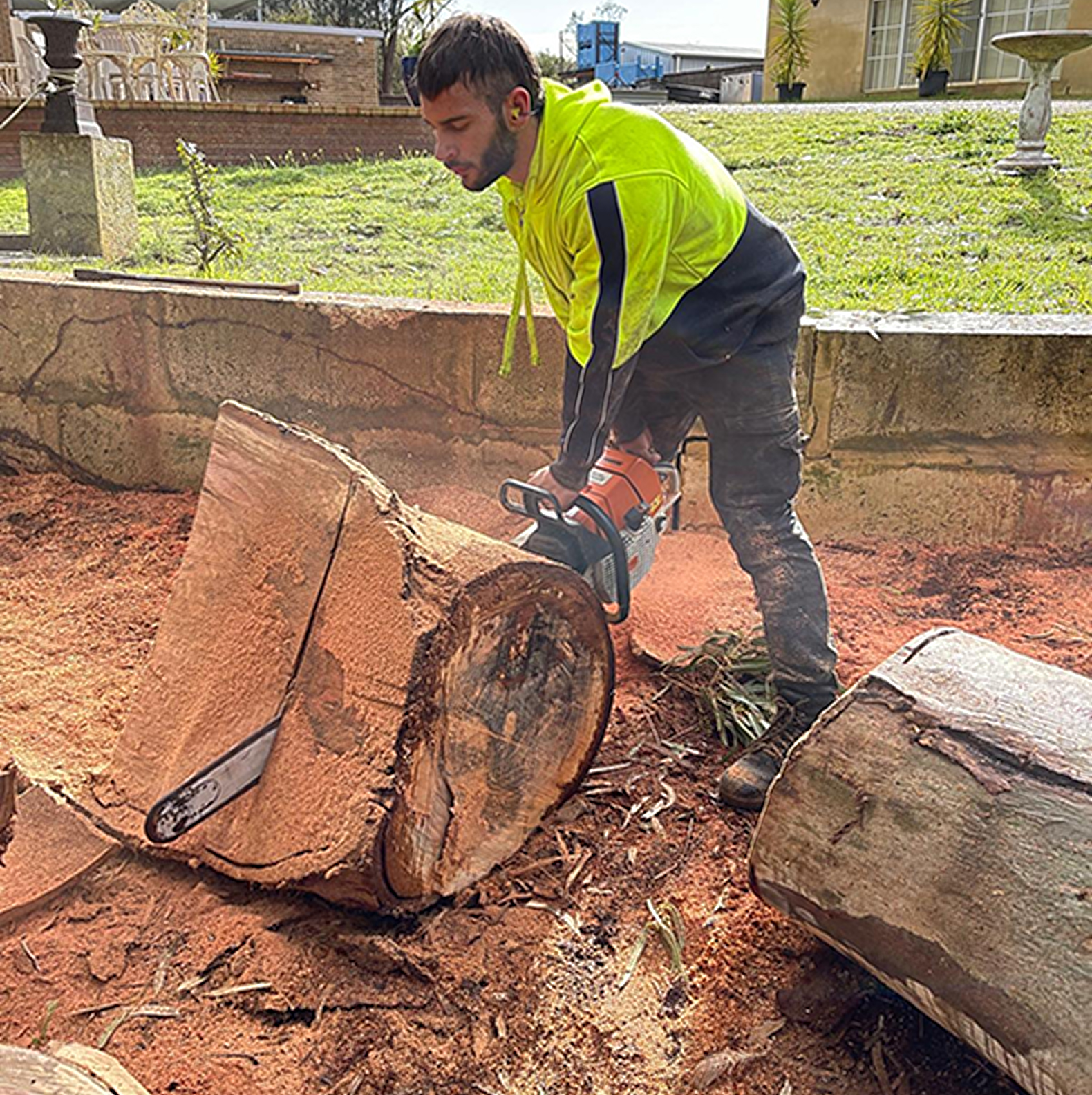
Jayson Wilmot is a qualified Perth arborist with more than 10 years of experience in tree pruning, tree removal, and tree care. As the owner of the Green Surgery and team leader, Jayson focuses on helping homeowners and businesses keep their properties safe, healthy, and compliant with local council requirements.
His hands-on experience covers everything from tree preservation and transplanting to managing firebreaks and storm-damage clean-ups. Jayson’s approach is simple — every job should protect both people and the environment.
Outside of work, he enjoys exploring Western Australia’s bushland and sharing practical tips on how to maintain thriving, well-balanced trees across Perth’s suburbs.
